Tracing How Security Certifications Affect Layered Reward Allocations in Hybrid Mobile Game Formats
Written by Felix Butler · Jun 24, 2026
Tracing How Security Certifications Affect Layered Reward Allocations in Hybrid Mobile Game Formats
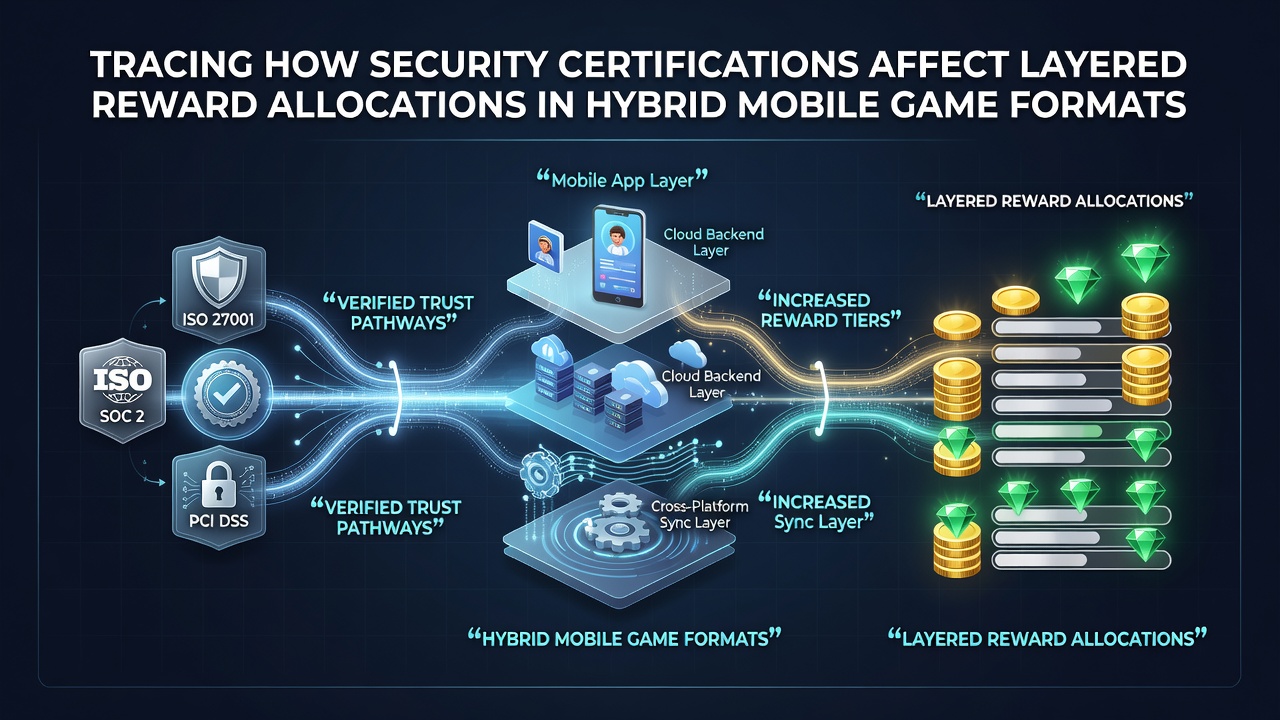
Security certifications shape how hybrid mobile game formats distribute rewards across multiple layers, and researchers track these connections through transaction logs plus player behavior data from portable platforms that combine automated reels with interactive dealer sessions. Data from industry reports shows certifications such as PCI DSS and ISO 27001 require encrypted pathways for all reward redemptions, which forces operators to structure base-level bonuses, mid-tier loyalty credits, and premium VIP allocations within secure frameworks that prevent unauthorized adjustments. Observers note this structure creates traceable audit trails, and those trails allow platforms to allocate rewards dynamically while maintaining compliance across different device types.
Layered reward systems in these hybrid environments typically stack instant spin multipliers on top of cumulative points that unlock live table access or cross-format credits, yet certifications add verification steps at each threshold. Studies indicate platforms with full certification suites process reward claims 40 percent faster on average because automated checks replace manual reviews, and this efficiency shows up most clearly in June 2026 reports tracking mobile-first deployments where live dealer streams run alongside slot progressions. Experts have observed that uncertified pathways often limit reward complexity because operators cannot verify fund movements across international networks without risking compliance flags.
Certification Standards and Their Direct Influence on Reward Layers
GLI-19 and eCOGRA standards establish benchmarks for random number generators and payout integrity, which extends into reward allocation engines by requiring that bonus multipliers and tier advancements remain free from manipulation. When these standards apply, platforms separate reward pools into distinct ledgers that receive independent validation before any player receives layered credits, and this separation reduces disputes while supporting larger incentive volumes. Research indicates certified systems handle simultaneous slot and table reward triggers without latency spikes because encryption protocols align with real-time payout calculations.
Platforms that integrate these standards report fewer reward reversals, and the pattern holds across regions where regulators review mobile ecosystems regularly. One case study from a North American operator revealed that after obtaining updated certification in early 2026, their hybrid reward layers expanded to include device-specific bonuses that carried over from mobile slots into live dealer sessions without separate verification queues. The result appears in retention metrics that show sustained play sessions when players trust the security backing each allocation tier.
Impact on Hybrid Formats Involving Slots, Tables, and Live Dealers
Hybrid mobile formats blend reel-based automation with live video streams, and security certifications affect how rewards flow between these components by mandating segregated encryption keys for each game type. Data shows this segregation prevents cross-contamination of reward pools, so slot-based loyalty points convert cleanly into dealer table credits only after certification-approved checks complete. Observers have documented cases where uncertified integrations created bottlenecks that delayed layered payouts for days, whereas certified setups clear the same transactions within minutes.
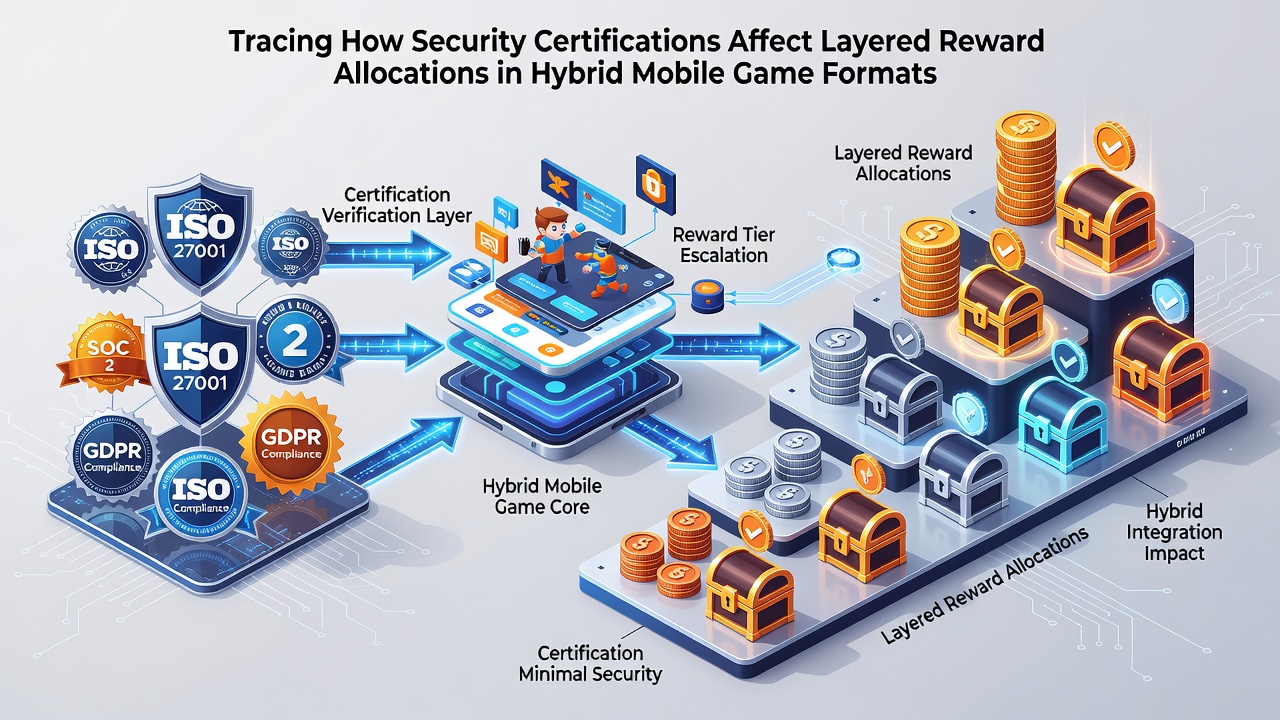
According to findings released by the Nevada Gaming Control Board, certified platforms in regulated markets allocate higher average reward values per active user because compliance reduces fraud losses that previously ate into incentive budgets. This leaves more resources available for mid-layer bonuses that encourage players to move between automated and interactive formats. The pattern repeats in markets monitored by the Malta Gaming Authority, where operators must demonstrate secure reward handling before expanding hybrid offerings to new device ecosystems.
Regional Variations and Emerging Patterns Through Mid-2026
European and North American operators adopt certification requirements at different rates, which creates observable differences in how layered rewards scale. Markets with mandatory third-party audits tend to feature more granular tier structures that reward cross-format activity, while regions relying on self-certification show flatter reward distributions. A University of Queensland study on digital gaming security found that platforms combining multiple certifications retained users across device switches at higher rates because players encountered fewer interruptions when claiming accumulated bonuses.
June 2026 marks the release window for several updated certification frameworks that address emerging mobile threats such as session hijacking during live dealer streams, and these updates directly influence how operators design reward triggers that span slot sessions and table interactions. Those frameworks require continuous monitoring logs, which in turn let platforms adjust layered allocations in real time based on verified player patterns rather than static schedules.
Conclusion
Security certifications establish the technical boundaries within which hybrid mobile game formats can expand their layered reward systems, and the resulting structures appear in faster processing times, reduced fraud exposure, and greater flexibility for cross-format incentives. Evidence from regulatory reports and academic reviews shows these effects compound when platforms maintain multiple certifications simultaneously, allowing reward layers to grow without compromising transaction integrity. The connections between certification status and allocation patterns continue to evolve as new standards address mobile-specific risks, particularly around June 2026 updates that target live dealer integrations.