Tracing Connections Between Loyalty Tiers and Cross-Device Game Integrations in Emerging Digital Entertainment Venues
Written by Freya Keller · May 20, 2026
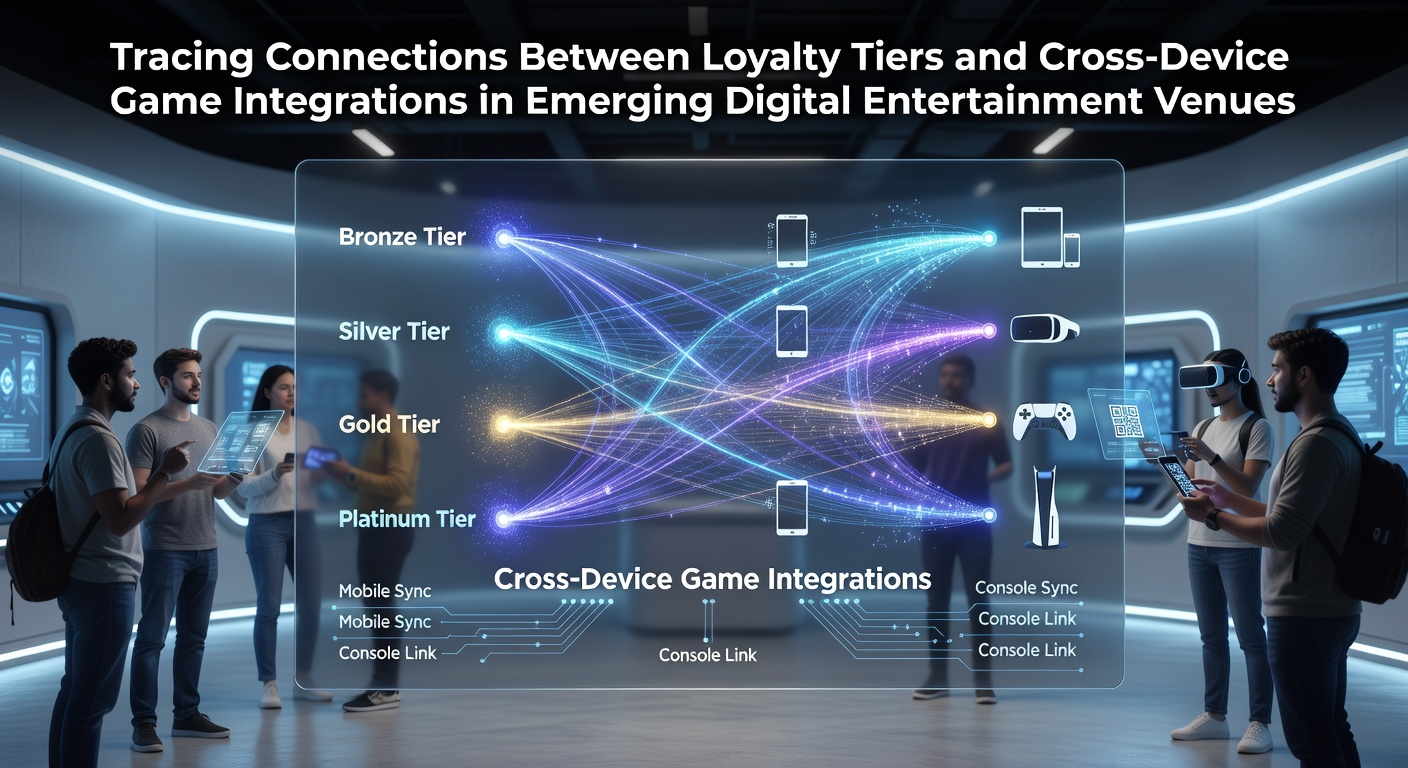
Tracing Connections Between Loyalty Tiers and Cross-Device Game Integrations in Emerging Digital Entertainment Venues
Digital entertainment venues continue expanding their reach through integrated systems that link player loyalty tiers directly to seamless cross-device experiences, and observers note how these connections shape user engagement patterns in measurable ways. Research from industry reports indicates that platforms achieving high synchronization rates between devices often see loyalty program participation climb by significant margins, with data from the New Jersey Division of Gaming Enforcement showing consistent growth in tracked sessions that span mobile, tablet, and desktop environments during the first quarter of 2026.
Understanding Loyalty Tier Structures in Modern Platforms
Loyalty tiers function as progressive reward ladders where players advance based on accumulated activity metrics such as playtime, deposit frequency, adn game variety, while cross-device integrations allow these metrics to update in real time regardless of the hardware in use. Experts have observed that venues implementing unified player profiles across operating systems reduce friction points that previously interrupted tier progression, and figures reveal that synchronized systems correlate with longer average session durations according to analyses from the European Gaming and Betting Association.
Those who study these integrations point out how tier benefits, including bonus multipliers and exclusive game access, become accessible through any linked device once the central database registers qualifying activity. This setup eliminates the need for separate tracking on each platform, creating a continuous record that supports accurate tier advancement even when users switch between a smartphone during commute hours and a desktop setup at home.
Cross-Device Game Integrations and Their Technical Foundations
Emerging digital entertainment venues rely on cloud-based architectures and API connections to deliver consistent gameplay across devices, and researchers discovered that these technical layers enable loyalty data to flow without interruption during transitions. Players log into a single account that carries forward progress, balances, and tier status, which means a session started on a tablet can resume on a laptop with all rewards and achievements intact.
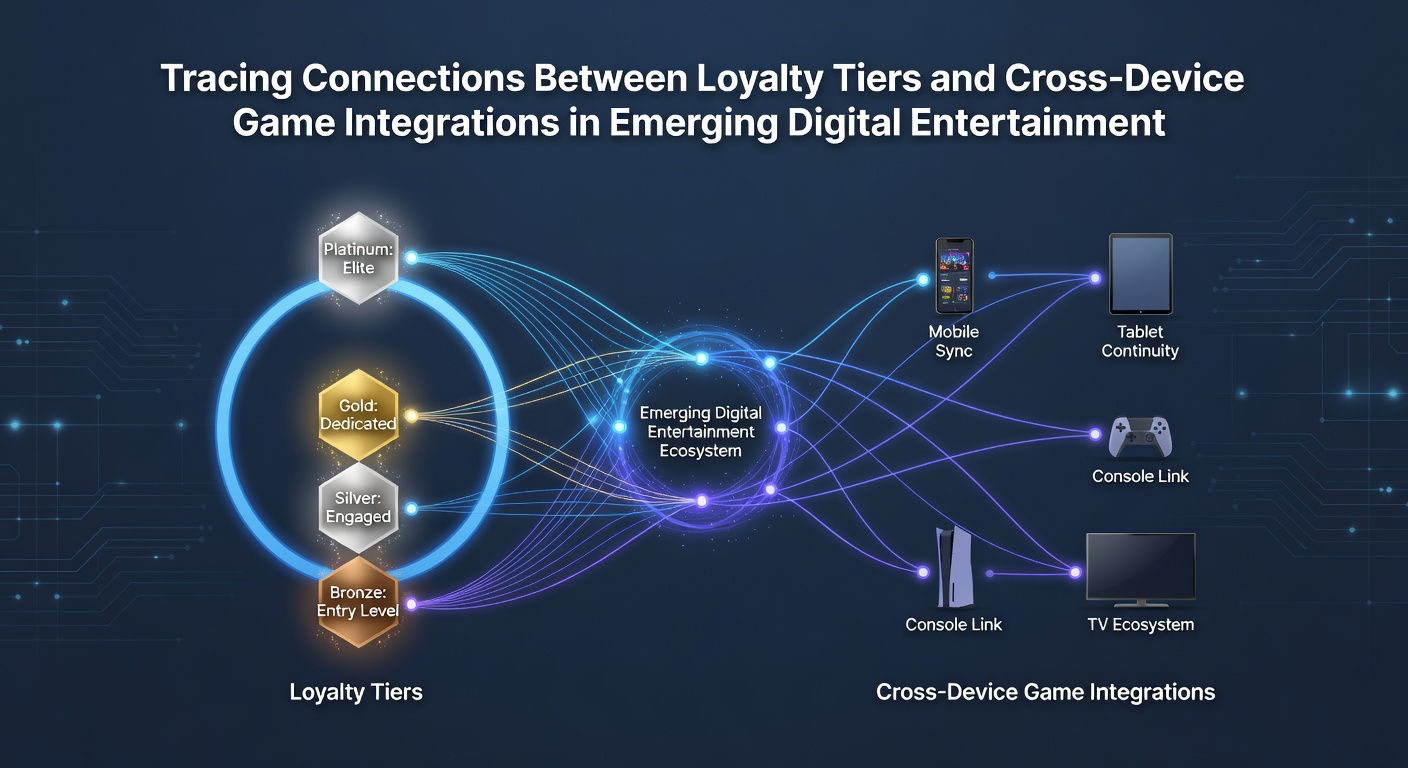
What's interesting is how May 2026 brought several platform updates that strengthened these connections, particularly in regions adopting new interoperability standards for online gaming software. Data shows that venues rolling out these enhancements recorded higher retention among users who frequently alternate between devices, since the unified system prevents loss of momentum in tier-building activities.
Tracing Direct Connections Between Tiers and Device Flexibility
The linkage becomes clear when examining how loyalty programs leverage cross-device data to personalize tier offers and challenges. For instance, one study revealed that players engaging with integrated slot and table games across multiple devices reached higher tiers at faster rates compared to those limited to single-device access. Observers note that real-time syncing allows venues to detect patterns such as increased mobile play during travel periods and respond with targeted tier bonuses that maintain engagement.
Platforms often design tier-specific features that activate only after cross-device verification confirms consistent activity, which encourages users to explore different interfaces while building toward the next reward level. This approach creates measurable outcomes where average revenue per user rises alongside the adoption of multi-device loyalty tracking tools.
Case Examples from Emerging Venues
Take one operator that launched a new digital venue in early 2026 and integrated loyalty tiers with full cross-device support from day one. Reports indicate that within weeks the platform saw tier upgrades accelerate among users who played both live dealer formats on desktop and mobile slot sessions, demonstrating how the combined system rewards flexible participation. Another example involves venues partnering with software providers to embed loyalty dashboards directly into game interfaces, allowing instant visibility of tier progress no matter the device.
Those who've examined industry trends point to similar implementations in Australian markets where regulatory frameworks emphasize transparent data handling across platforms, resulting in smoother loyalty integrations that comply with local standards.
Future Developments and Measured Impacts
Analyses suggest that continued refinement of cross-device capabilities will further strengthen loyalty tier connections as artificial intelligence tools begin predicting optimal reward timing based on device usage habits. Venues investing in these technologies report steady increases in active tier members, with data indicating that integrated environments support more precise tracking of player journeys across the full range of available games.
Yet the reality remains that successful implementations depend on robust backend infrastructure capable of handling simultaneous sessions without lag, and evidence suggests that venues prioritizing this infrastructure achieve stronger correlations between device flexibility and tier advancement rates.
Conclusion
Connections between loyalty tiers and cross-device game integrations continue defining operational strategies in emerging digital entertainment venues, where unified player data drives both engagement and reward accuracy. As platforms evolve through 2026 and beyond, the measurable benefits of these linkages appear in sustained participation metrics and expanded access to tier-based features across every compatible device.