Tracing Accreditation Standards to Retention Metrics in Portable Gaming Formats for Slots and Interactive Tables
Written by Paul Hansen · May 27, 2026
Tracing Accreditation Standards to Retention Metrics in Portable Gaming Formats for Slots and Interactive Tables
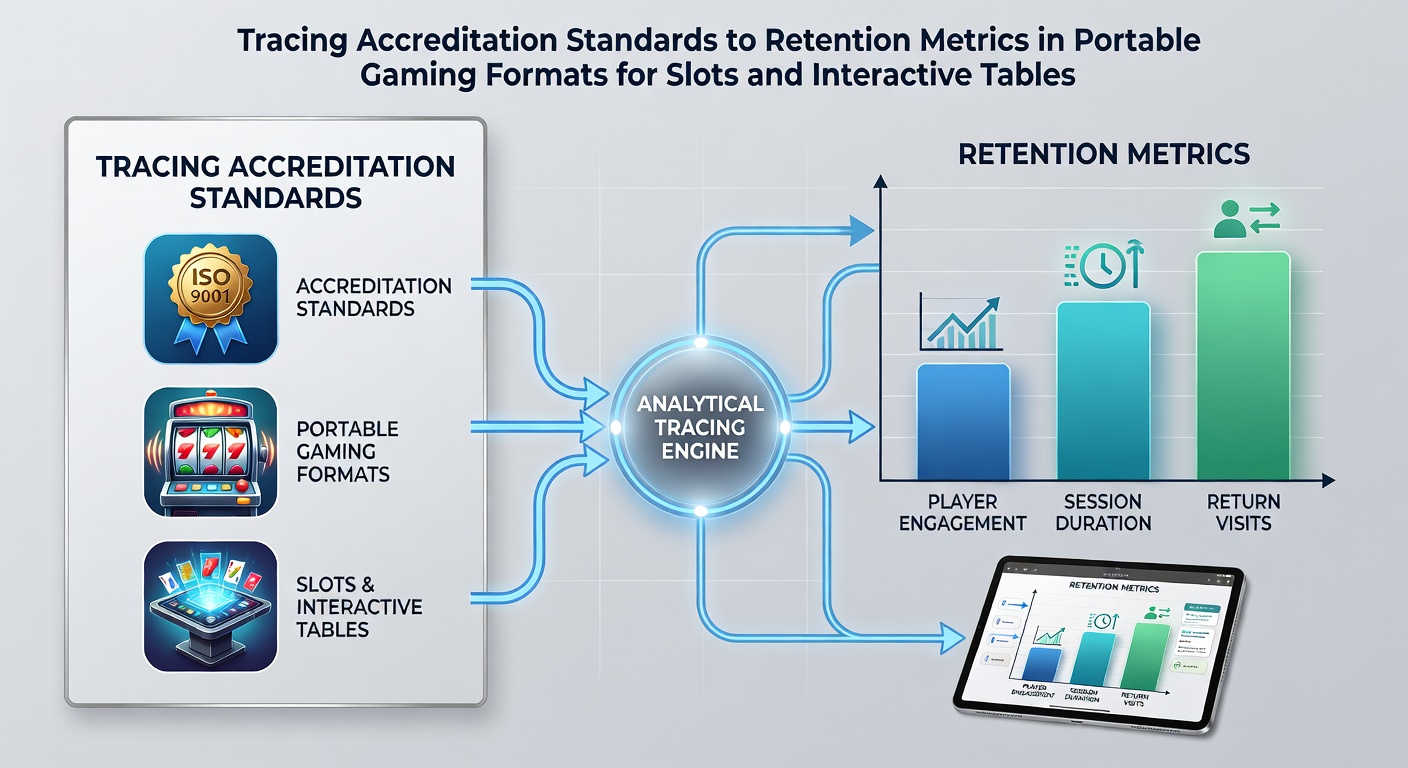
Accreditation bodies evaluate fairness protocols and security frameworks in mobile gaming environments while operators track how those evaluations influence player return rates across slots and live dealer tables on portable devices. Research from independent testing laboratories shows that certified RNG systems correlate with extended session durations in slot formats because players encounter verified payout percentages that maintain engagement levels over multiple plays. Interactive table games on smartphones and tablets present additional layers since accreditation must cover live streaming encryption alongside dealer randomization processes. Data collected through platform analytics indicates that when these elements receive third-party validation retention metrics improve particularly in regions where regulatory updates took effect during spring 2026.Accreditation Frameworks Applied to Mobile Slots
Testing agencies examine slot mechanics for compliance with jurisdictional requirements before platforms release updated portable versions. Figures from certification reports reveal that games passing these audits experience lower churn rates in the first thirty days after launch because users trust the underlying probability models. Operators integrate these standards into development cycles so that mobile interfaces display consistent reel configurations and bonus features regardless of device orientation or connection speed.
Portable slot formats benefit when accreditation includes mobile-specific stress tests for latency and crash recovery. Studies conducted by research institutions demonstrate that uninterrupted gameplay sessions rise when platforms adhere to these expanded criteria. Players continue longer because the system prevents common disruptions that otherwise prompt early exits from the application.Linking Standards to Interactive Table Retention
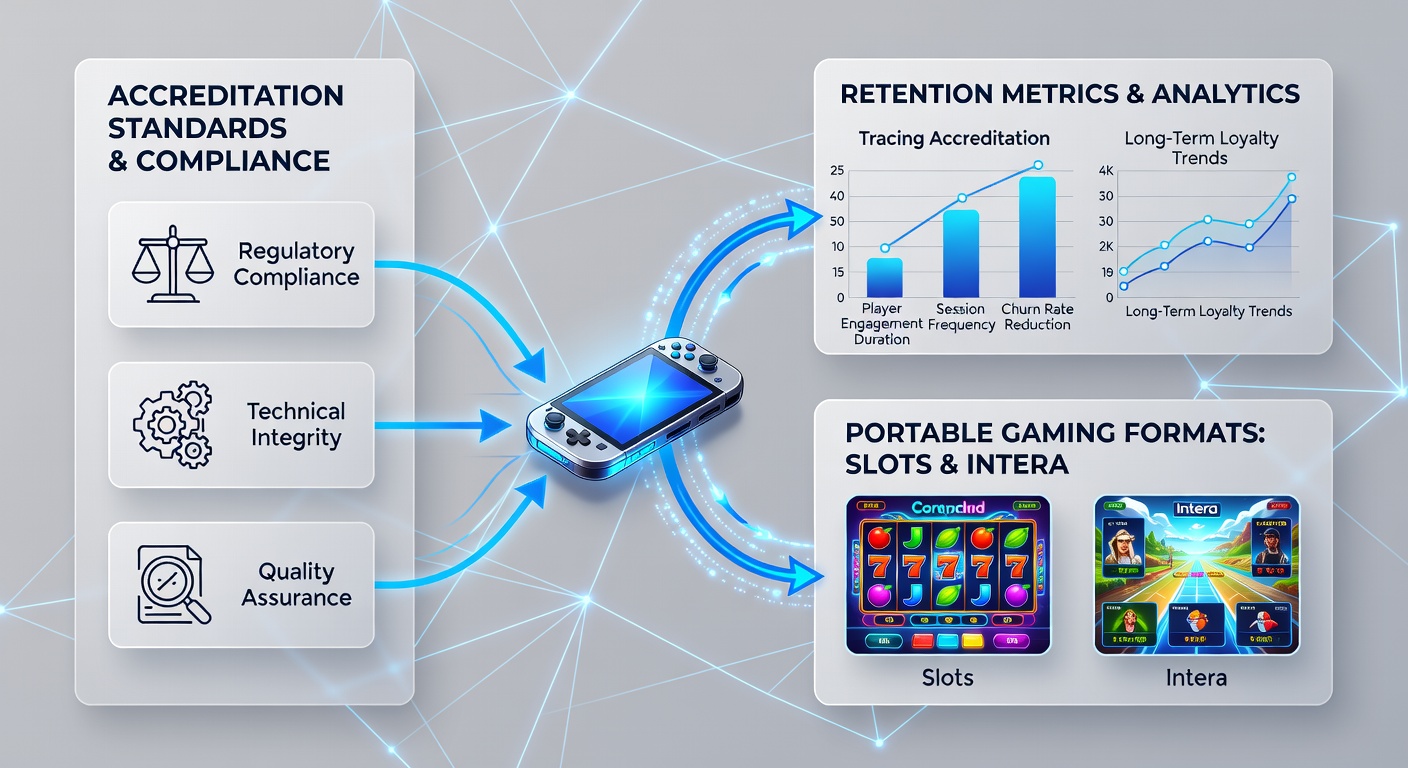 Live dealer tables adapted for handheld devices require accreditation that verifies both random number integrity for card shuffles and real-time video transmission quality. Observers note that platforms achieving dual certification in these areas record higher repeat login frequencies because participants experience reliable dealer interactions without buffering interruptions. In May 2026 several North American jurisdictions implemented revised mobile streaming guidelines that aligned accreditation processes more closely with retention tracking dashboards used by operators. Those dashboards measure metrics such as average hands played per session and table switch rates. When accreditation confirms secure dealer feeds retention data shows reduced abandonment during peak hours. Experts at gaming laboratories have documented cases where uncertified table streams suffered measurable drops in daily active users compared with validated counterparts operating under the same promotional structures.
Cross-Format Data Patterns Emerging in 2026
Analysts examining combined slot and table datasets find that accreditation timelines affect retention differently depending on game category. Slots often stabilize faster after certification because their mechanics require fewer external variables yet interactive tables gain longer-term loyalty once players confirm consistent regulatory oversight across multiple devices. Government agencies in Canada and Australia publish periodic summaries that connect these accreditation milestones to aggregated player behavior statistics without revealing proprietary operator information.
Industry associations compile comparative reports showing how portable gaming platforms that sequence accreditation audits before major feature rollouts achieve steadier month-over-month retention curves. These patterns hold across both casual slot users adn those who migrate between slots and tables within single sessions.Measurement Techniques Connecting Standards and Metrics
Retention calculations incorporate cohort analysis that isolates players exposed to accredited game versions versus those using legacy builds. Results indicate measurable lifts in seven-day and thirty-day return rates when certification seals appear prominently within application interfaces. Researchers apply regression models to separate the influence of accreditation from concurrent factors such as bonus structures or device compatibility updates.
One documented approach involves mapping specific accreditation criteria like encryption strength directly onto session length distributions. Platforms that prioritize these mappings adjust mobile table layouts and slot volatility settings in response to early retention signals gathered after certification approval.Conclusion
Accreditation processes establish verifiable baselines for game integrity while retention metrics quantify how those baselines translate into sustained player activity on portable devices. Current data from multiple regulatory regions illustrates clear linkages between certified mobile slot and table environments and improved return frequencies. Operators continue to refine these connections through ongoing audits and analytics integration as portable gaming formats evolve through 2026 and beyond.