Tiered Membership Systems and Game Format Preferences in Mobile Casino Applications
Written by Finley Schulz · Jul 29, 2026
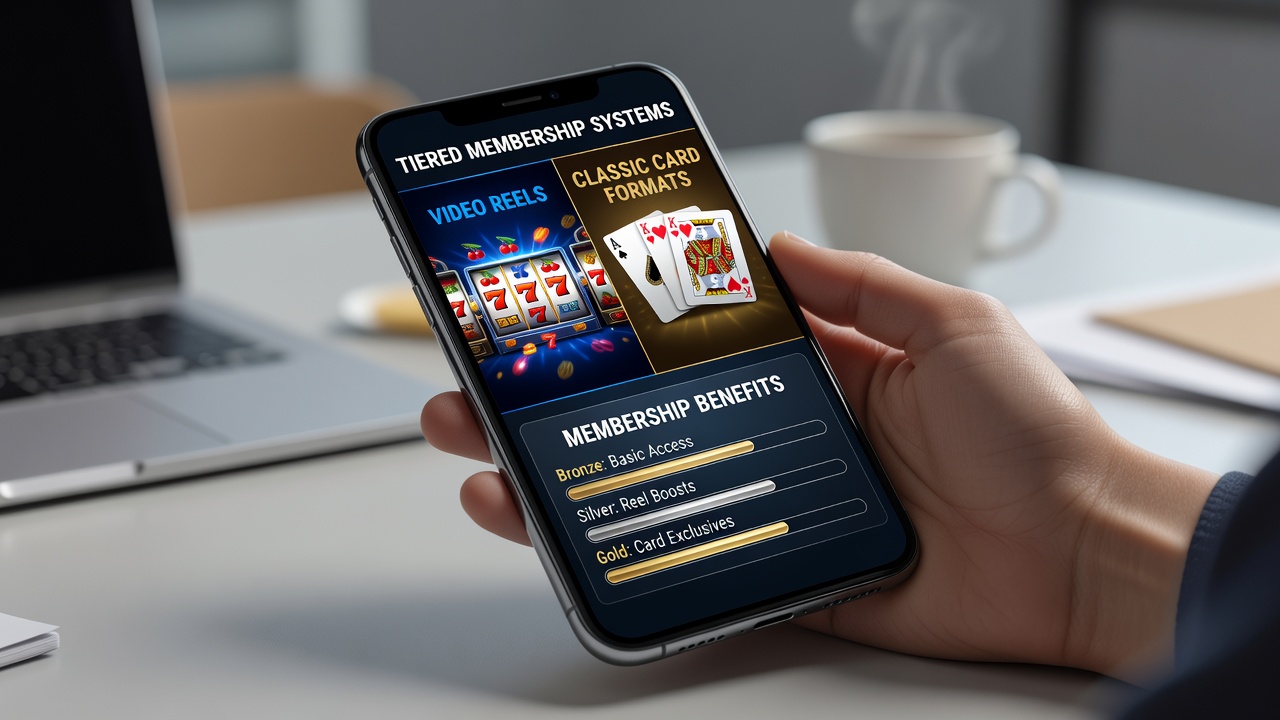
Tiered Membership Systems and Game Format Preferences in Mobile Casino Applications
Smartphone-compatible casino applications have incorporated tiered membership structures that segment users according to activity levels, deposit volumes, and retention metrics; these systems assign players to bronze, silver, gold, or platinum categories that unlock differentiated reward rates, cashback percentages, and access privileges. Data from industry tracking services indicate that lower-tier participants gravitate toward video reels because those formats deliver frequent small payouts and rapid spin cycles that align with entry-level bonus structures. Higher-tier accounts, by contrast, demonstrate elevated selection rates for classic card formats such as blackjack and poker variants once cumulative play history qualifies them for reduced house-edge tables and personalized dealer invitations.
Mechanics of Tier Progression and Reward Allocation
Platforms calculate tier advancement through algorithms that weigh wagering volume, session duration, and deposit frequency over rolling thirty-day windows; each elevation multiplies point accrual rates and expands the menu of available promotions. Observers note that bronze-level users receive reel-centric free-spin bundles while gold and platinum members obtain table-game rake rebates and private tournament seats. These differentials produce measurable shifts in title selection as accounts cross successive thresholds, with automated telemetry capturing the transition points where card-format engagement surpasses reel activity by double-digit margins.
Smartphone Interface Factors Influencing Format Selection
Touch-screen ergonomics and portrait-mode layouts affect how quickly users cycle between game types; video reels load as single-tap experiences that minimize navigation depth, whereas card tables require additional menu selections for rule variants and betting limits. Research compiled by mobile analytics firms shows that lower-tier players spend 68 percent of session time on reel titles partly because those interfaces reduce cognitive load during short, intermittent play periods. Platinum accounts, equipped with higher data allowances and longer average sessions, allocate more time to card formats that reward strategic decision-making and benefit from the larger screen real estate available on recent smartphone models.
Payment integration patterns also correlate with tier status. Instant e-wallet deposits common among newer accounts feed directly into reel promotions that expire within twenty-four hours, locking users into high-volume spinning before tier points accumulate. Established members, however, route larger transfers through bank channels that trigger table-game-specific reload bonuses, reinforcing the documented preference migration toward card formats once tier thresholds are reached.

Regional Data Patterns and Regulatory Context
Figures released by the Nevada Gaming Control Board document a 14 percent year-over-year increase in mobile card-game handle among loyalty-tiered accounts during the first half of 2025, while reel volume remained stable across lower segments. Parallel reports from the Australian Communications and Media Authority track similar stratification in licensed apps, where platinum users generate 41 percent of table-game revenue despite comprising only 9 percent of active profiles. European operators reporting to the European Gaming and Betting Association record comparable distributions, with tier-based incentive structures cited as the primary driver behind format redistribution.
One longitudinal study released by the University of Nevada, Reno tracked 12,400 mobile accounts over eighteen months and identified a consistent inflection point: after accumulating 4,800 tier points, participants reduced reel playtime by an average of 37 minutes per week and increased card-format engagement by 29 minutes. The shift occurred irrespective of demographic variables, suggesting that structural reward differences exert stronger influence than individual preference alone.
Cross-Device Continuity and July 2026 Platform Updates
Operators preparing synchronized updates for July 2026 have begun testing unified loyalty ledgers that carry tier status across iOS and Android builds without resetting progress; early beta data indicate that seamless progression reduces churn among mid-tier users and accelerates the observed movement toward card formats. These infrastructure changes also embed real-time tier dashboards directly into game lobbies, allowing participants to monitor proximity to the next reward bracket while seated at either reel or table titles.
Conclusion
Tiered membership frameworks embedded in smartphone casino applications generate quantifiable steering effects that direct lower-tier accounts toward video reels and higher-tier accounts toward classic card formats. Telemetry, regulatory filings, and academic cohort studies converge on the same pattern: reward differentials tied to tier status override interface familiarity and produce sustained redistribution of play volume. As platforms finalize cross-device loyalty continuity ahead of the 2026 cycle, the documented linkages between membership level and format choice are expected to intensify rather than attenuate.