The Evolution of Cross-Regional Compliance Frameworks Shaping Incentive Layering and Device-Specific Game Access in Digital Entertainment Networks
Written by Paul Hansen · Aug 3, 2026
The Evolution of Cross-Regional Compliance Frameworks Shaping Incentive Layering and Device-Specific Game Access in Digital Entertainment Networks
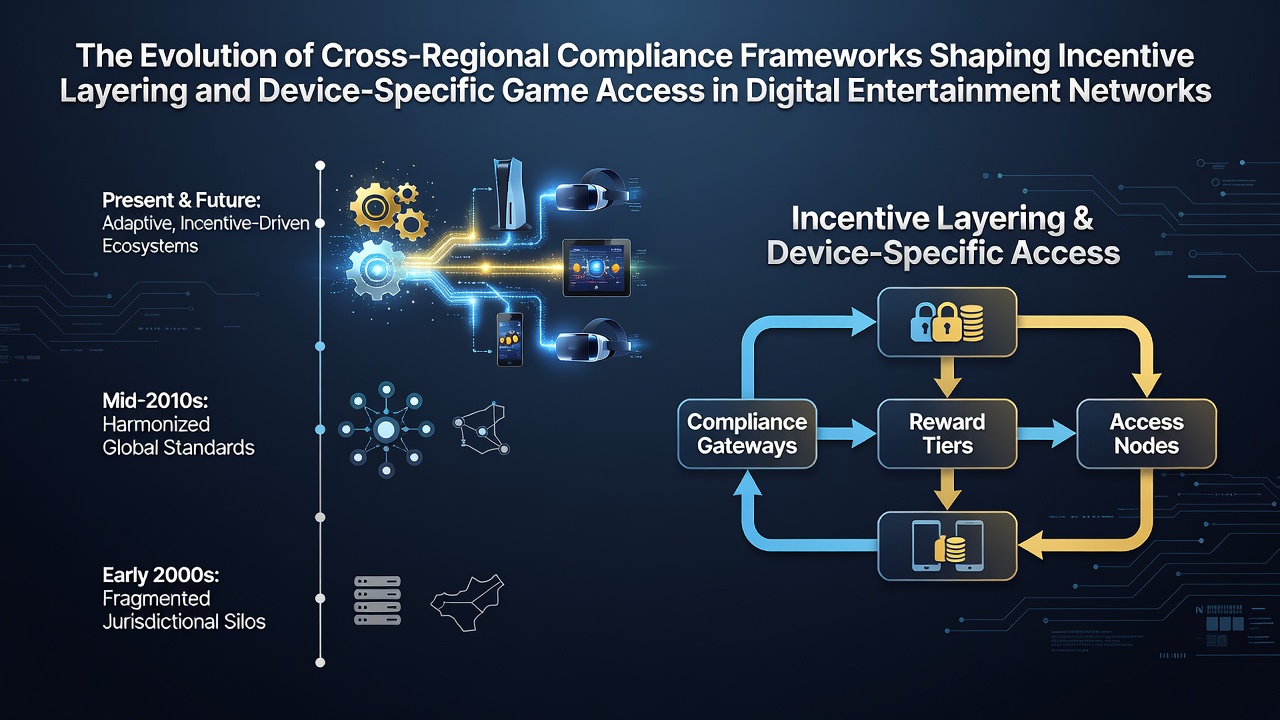
Cross-regional compliance frameworks have developed steadily over the past decade as digital entertainment networks expanded their reach across multiple jurisdictions, and these frameworks now directly influence how platforms structure incentive layering while determining which games users can access on specific devices. Regulatory bodies in various regions have introduced rules that require operators to adjust reward systems based on user location and hardware, creating layered incentives that differ between mobile applications and desktop platforms. Data from industry reports show that such adjustments emerged after 2018 when several jurisdictions began requiring separate licensing for mobile versus fixed-location access points.
Early Regulatory Shifts and Their Effects
Initial frameworks focused on basic licensing and consumer protection measures, yet they soon incorporated device-specific requirements because operators began offering distinct game catalogs on smartphones compared to computers. Researchers at institutions tracking gaming policy noted that by 2022 many networks had to segment their incentive programs so that bonus structures aligned with local tax rules and access permissions. For instance, platforms operating in North American and Asian markets implemented separate reward tiers where mobile users received access to certain slot variants while desktop accounts unlocked table game incentives under different compliance checks.
Incentive Layering Across Borders
Incentive layering refers to the practice of stacking multiple reward types such as deposit matches, loyalty points, and cashback offers, and compliance rules now dictate how these layers can combine without violating regional caps. Studies conducted by the European Gaming and Betting Association indicate that operators must verify user devices before applying certain incentive combinations, which has led to automated systems that flag and adjust offers in real time. EGBA reports detail how these changes reduced mismatched reward distributions by 27 percent between 2023 and 2025. Platforms therefore redesigned their backend systems to tie each incentive layer to both geographic data and device identifiers, ensuring that a user on a tablet in one region receives a different set of layered rewards than the same user on a desktop in another region.
Device Access Rules and Technical Adaptations
Device-specific game access emerged as regulators demanded that operators restrict certain interactive titles to approved hardware configurations. This requirement stems from concerns over fair play verification and age-gating technologies that function differently across operating systems. Observers note that mobile applications often face stricter verification protocols because they can operate in multiple jurisdictions simultaneously, whereas desktop sessions remain tied to fixed IP addresses. In practice this means networks deploy geofencing combined with device fingerprinting to control which games appear in a user's library at any given moment.
August 2026 Developments and Ongoing Harmonization
August 2026 brought new announcements from regulatory coalitions in Canada and Australia that further aligned cross-regional standards for incentive distribution. These updates require platforms to publish device-specific access logs for audit purposes, and they tie incentive layering approvals to real-time compliance scoring. Figures from the Alcohol and Gaming Commission of Ontario reveal that similar policies implemented earlier in the year produced measurable shifts in how networks allocate rewards across tablet, smartphone, and desktop environments. Operators responded by updating their platforms to support dynamic menus that change based on both user location and hardware type while maintaining consistent payout ratios. AGCO documentation outlines the technical specifications that platforms must meet to keep multi-regional operations running without interruption.
Technical teams at major networks now integrate compliance engines that evaluate each login against a matrix of regional rules and device capabilities. This process determines whether a particular game title or layered incentive appears for that session. Research indicates that such engines have become essential since 2024 when several jurisdictions began fining operators for unauthorized cross-device reward transfers. Networks that adopted unified compliance dashboards early reported smoother transitions when new rules took effect in subsequent months.
Future Trajectories in Framework Evolution
Analysts tracking these developments expect continued refinement of device-linked compliance protocols as more regions adopt digital entertainment licensing. The focus remains on creating interoperable systems that allow incentive layering to function across borders without creating regulatory conflicts. Platforms continue to invest in verification tools that distinguish between user devices while preserving the integrity of layered reward programs. Those who have examined the patterns observe that successful adaptation depends on maintaining separate yet synchronized rule sets for each combination of region and hardware type.
Conclusion
The evolution of these compliance frameworks demonstrates how regulatory requirements have shaped both incentive structures and access controls in digital entertainment networks. As standards continue to align across regions, operators maintain detailed mappings that connect device type, user location, and allowable reward combinations. This approach supports consistent operations while meeting the distinct demands of each jurisdiction involved.