Linking Digital Payment Innovations with User Retention Strategies in Virtual Casino Ecosystems Featuring Both Automated and Live Game Formats
Written by Felix Butler · Jun 6, 2026
Linking Digital Payment Innovations with User Retention Strategies in Virtual Casino Ecosystems Featuring Both Automated and Live Game Formats
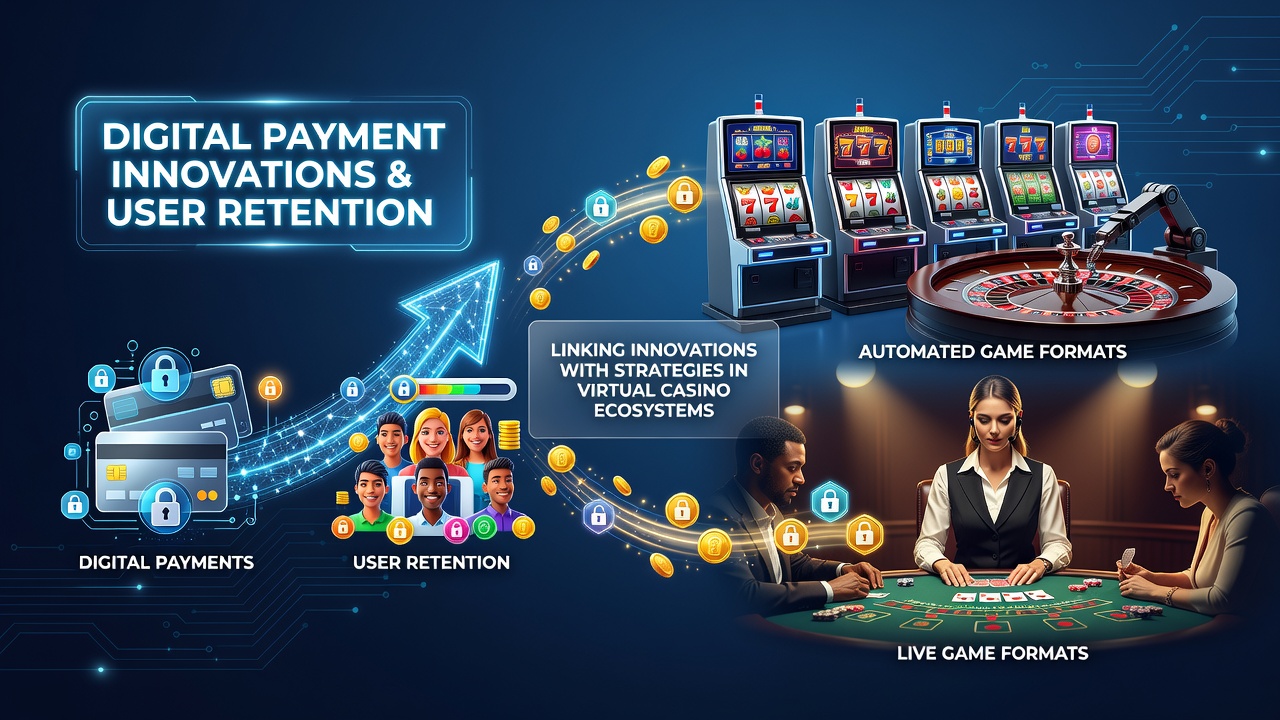
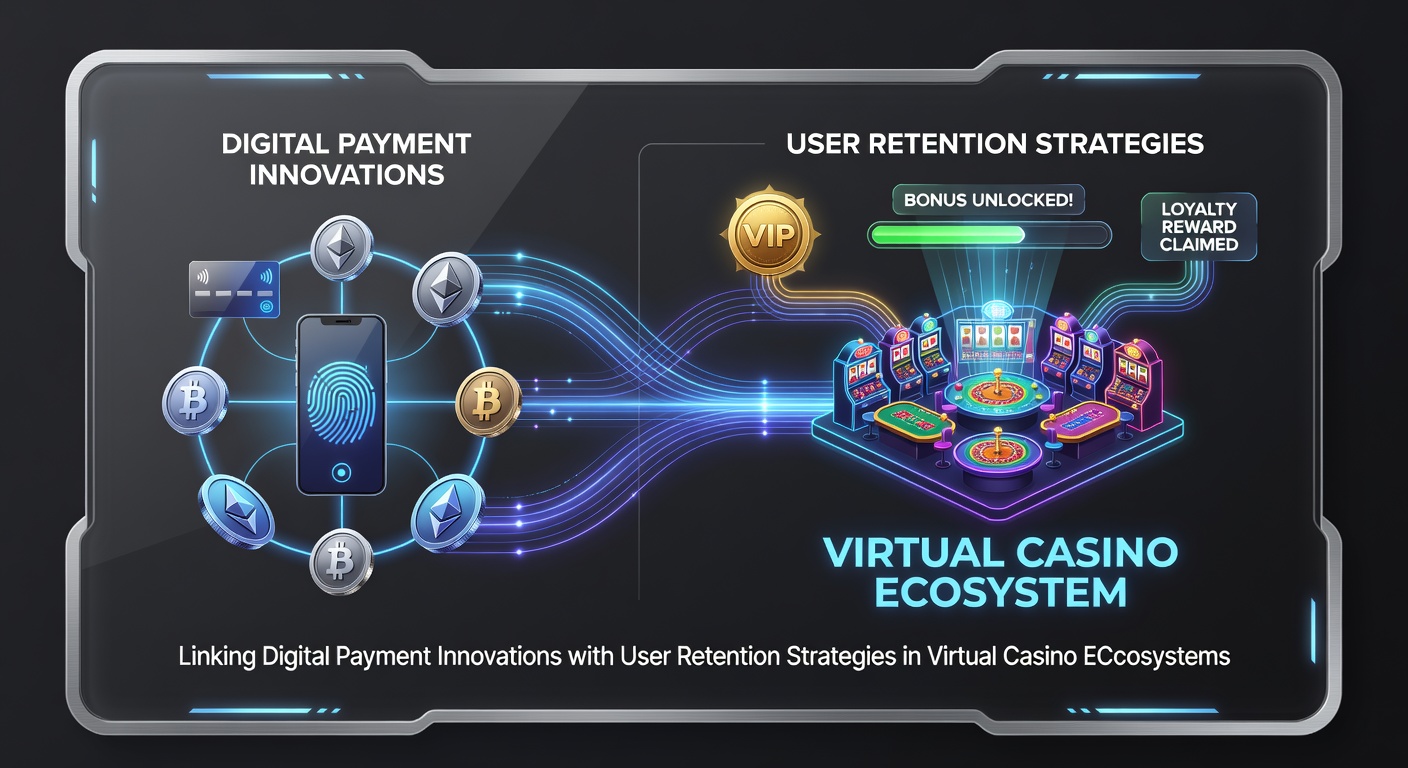
Virtual casino operators have connected digital payment systems directly to retention mechanisms across both automated slot environments and live dealer tables, creating seamless transaction flows that keep users engaged over extended periods. Platforms process deposits and withdrawals through e-wallets, instant bank transfers, and cryptocurrency options, then link those same systems to loyalty points, personalized bonuses, and tiered reward structures that activate automatically after each completed session.
Payment Systems That Feed Retention Loops
Automated game formats rely on rapid payment confirmations to maintain player momentum, while live dealer sessions use teh same infrastructure to deliver real-time tip payments and side-bet settlements without interrupting table flow. Data from industry reports shows that platforms integrating instant payout features report higher repeat visit rates because users receive winnings within seconds rather than hours. In June 2026 several networks expanded these capabilities by adding biometric verification layers that reduce authentication time to under three seconds, allowing both slot machines and live tables to resume play immediately after each transaction.
Operators map every deposit amount to specific retention triggers such as cashback percentages or free spin allocations that appear in the user account within the same interface. This connection operates identically whether the player selects an automated roulette wheel or joins a live blackjack table hosted by a real dealer, because the backend payment processor feeds the same loyalty database in both cases.
Automated Game Environments and Instant Reward Delivery
Slot ecosystems benefit most visibly from payment innovations because automated systems can credit loyalty points the moment a deposit clears. Players who fund accounts through approved e-wallet partners receive tier progression updates displayed directly on the game screen, eliminating any need to navigate separate menus. Research conducted by the American Gaming Association indicates that casinos employing these linked systems experience measurable increases in session length when payout speed drops below ten seconds.
Retention algorithms monitor deposit frequency and adjust bonus eligibility in real time, so a user who deposits during a promotional window automatically qualifies for enhanced rewards that apply across multiple automated titles. These mechanics remain consistent even when the same player switches to live dealer formats later in the evening, because the underlying payment record travels with the account profile.
Live Dealer Formats and Continuous Engagement Tools
Live game environments incorporate payment innovations through dedicated chat functions and dealer-assisted tip features that draw from the same wallet balance used for main wagers. Users receive loyalty credits for both time spent at the table and for specific actions such as placing side bets or participating in dealer challenges, all processed through the integrated payment rail. Observers note that platforms offering sub-second confirmation for these micro-transactions maintain higher table occupancy rates during peak hours.
Cross-format retention programs allow players to carry progress from automated sessions into live tables without resetting their status, because the payment history serves as the single source of truth for reward calculations. A user who reaches a new loyalty tier while playing slots can immediately access corresponding table limits or personalized dealer greetings when they switch formats.
Regulatory and Technical Standards Supporting These Connections
Technical standards published by the European Gaming and Betting Association require payment processors to maintain synchronized logs that feed directly into retention analytics engines. Compliance with these standards ensures that both automated and live game platforms can apply identical reward rules without creating separate data silos. In regions following similar guidelines, operators must demonstrate that withdrawal requests do not interrupt ongoing loyalty accrual, a requirement that has driven adoption of unified payment and retention architectures.
Security protocols now embed retention identifiers within each transaction token, allowing systems to verify user eligibility for bonuses at the moment funds move rather than after settlement. This approach reduces latency and prevents the reward mismatches that previously caused players to abandon sessions when switching between automated and live offerings.
Conclusion
Virtual casino ecosystems continue to refine the direct linkage between payment speed, verification methods, and retention outcomes across both automated and live game formats. The same infrastructure that handles deposits and withdrawals now powers loyalty tracking, bonus distribution, and tier progression without requiring players to manage separate accounts or interfaces. As networks implement further updates scheduled for the second half of 2026, these connections are expected to expand through additional biometric and token-based solutions that maintain consistent performance whether users remain in automated environments or transition to live dealer tables.