How Emerging Transaction Options Shape Play Patterns in Slot and Table Hybrids on New Digital Platforms
Written by Felix Butler · Jul 27, 2026
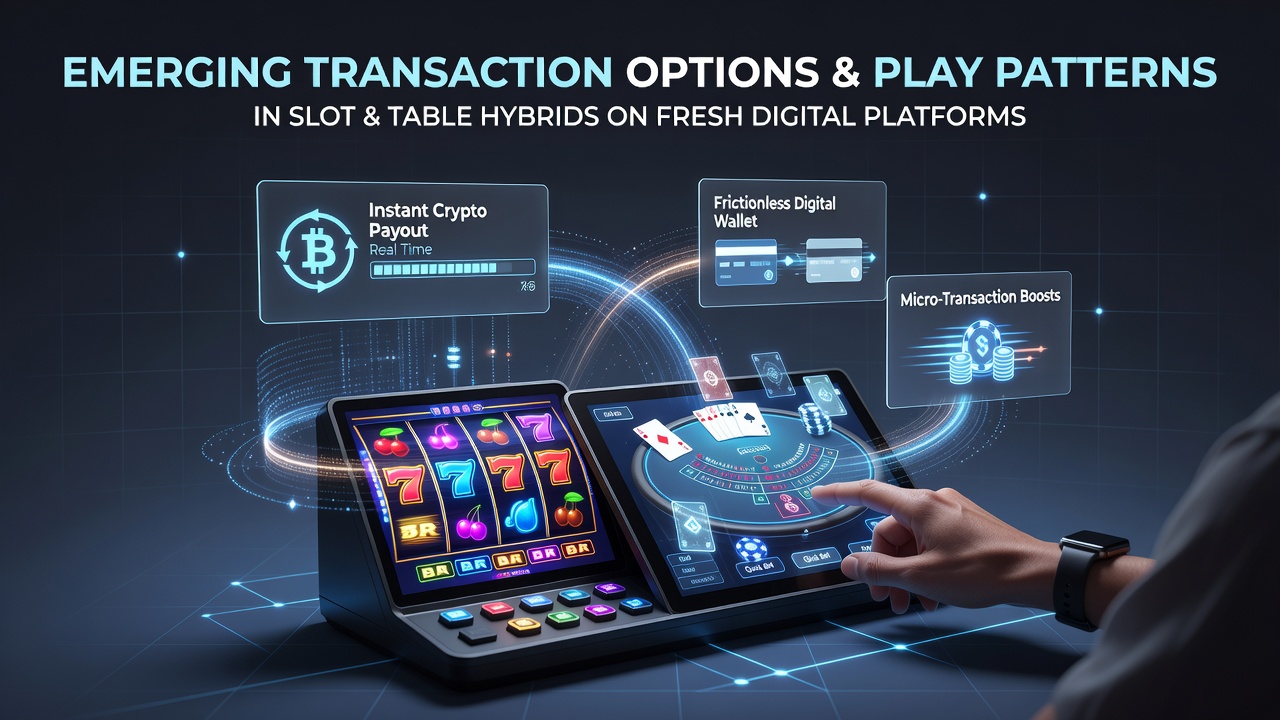
How Emerging Transaction Options Shape Play Patterns in Slot and Table Hybrids on New Digital Platforms
Digital platforms continue to integrate new transaction methods that connect directly with hybrid game formats combining automated reels and interactive dealer tables, and these changes appear in usage statistics tracked across multiple regions. Observers note that instant settlement options such as e-wallets and blockchain transfers reduce the time between deposit and gameplay initiation, which data from platform logs show correlates with shorter session intervals yet higher total transaction frequency. Researchers tracking user behavior across freshly launched sites report that players shift toward rapid, repeated bets when funding completes in seconds rather than minutes, while longer verification processes still limit entry points for certain table hybrid variants.
Transaction Methods and Their Integration Patterns
Payment innovations now include stablecoin settlements alongside traditional bank transfers and mobile carrier billing, and these options reach hybrid environments where slot mechanics blend with live dealer decisions on the same interface. According to records maintained by regulatory bodies in several jurisdictions, adoption rates for instant payout channels rose steadily through early 2026, with projections extending into July 2026 indicating further growth in cross-border transfers that bypass legacy card processors. Experts analyzing server data find that platforms offering multiple concurrent methods experience broader distribution of play styles, as users select different funding routes depending on whether they enter a reel sequence or join a shared dealer table.
Studies from academic groups focused on digital entertainment economics reveal that transaction speed influences bet sizing decisions within hybrid titles, because immediate confirmation allows participants to adjust stakes mid-session without exiting the game window. Those tracking retention metrics observe that accounts funded through newer digital channels maintain activity across both automated and live segments at higher rates than accounts limited to older processors. Platform operators report that seamless wallet integrations reduce drop-off points during game switches, which in turn extends the average number of rounds completed per login.
Observed Shifts in User Engagement
Analytics gathered from portable network ecosystems indicate that players using real-time transaction options distribute their activity more evenly between slot sequences and table interactions rather than concentrating on one format. Data sets compiled by research institutions show elevated engagement with progressive jackpot features in hybrids when deposits clear without delay, since users can respond quickly to accumulating prize pools displayed alongside dealer feeds. Patterns documented in recent reports highlight that instant refund mechanisms encourage exploratory play across unfamiliar hybrid combinations, as participants test new table variants without prolonged commitment of funds.
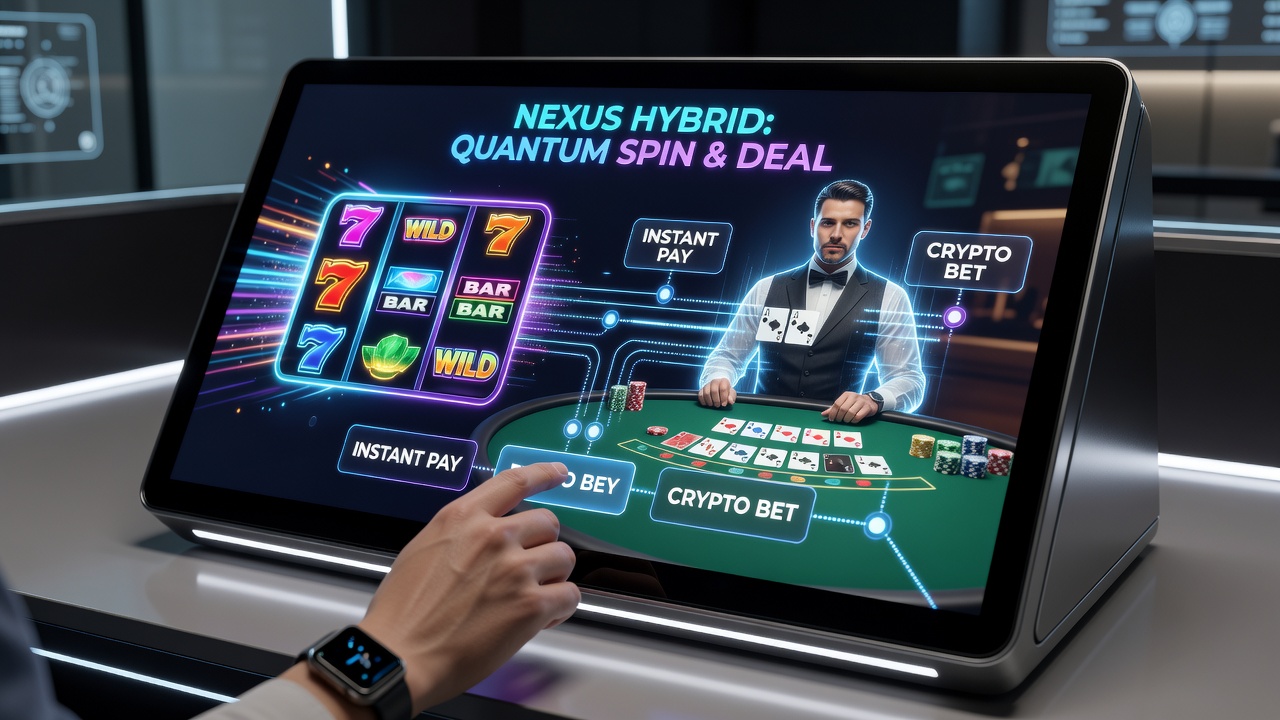
Further examination of cross-device logs demonstrates that mobile-first transaction flows support continuous sessions that move between short reel spins and extended dealer rounds, whereas desktop-linked bank transfers tend to anchor users to single-format blocks. Industry datasets from North American operators point to increased micro-transaction frequency when cryptocurrency options appear alongside fiat methods, with users executing smaller, repeated top-ups that sustain hybrid play over longer calendar periods. Figures released by oversight agencies in Canada and Australia confirm that platforms emphasizing diverse settlement tools record measurable differences in the ratio of automated versus interactive game time per account.
Regional Data and Platform Comparisons
Comparative reviews conducted by European research networks establish that jurisdictions with streamlined licensing for digital payment providers witness faster rollout of hybrid-specific transaction features, which subsequently appear in aggregated play pattern statistics. Records from state-level gaming commissions in the United States document variations in session length tied to the presence of instant verification layers, particularly for titles merging reel mechanics with communal table outcomes. Those reviewing longitudinal data note that July 2026 forecasts anticipate continued expansion of these integrations as new platforms enter markets already served by established networks.
Evidence collected through user telemetry indicates that reward structures linked to transaction volume interact differently with hybrid formats depending on the settlement method chosen, since faster channels enable quicker accumulation toward tiered incentives. Platform telemetry further reveals that players who alternate between multiple transaction types within a single session display more varied betting sequences across slot and dealer components. Such observations stem from anonymized datasets shared among academic and industry partners without identifying individual accounts.
Conclusion
Transaction innovations continue to reshape how participants navigate hybrid game environments on emerging digital platforms, with measurable effects captured in session metrics, bet distribution, and format switching rates. Data compiled across multiple regulatory and research sources demonstrate consistent associations between settlement speed and engagement patterns, while regional comparisons highlight differing adoption timelines. Ongoing monitoring through established oversight channels will track how these connections evolve as additional platforms incorporate expanded payment capabilities through the remainder of 2026 and beyond.