Charting accreditation influences on layered incentive distributions across hybrid reel and dealer formats in portable network ecosystems
Written by Finley Schulz · Jun 10, 2026
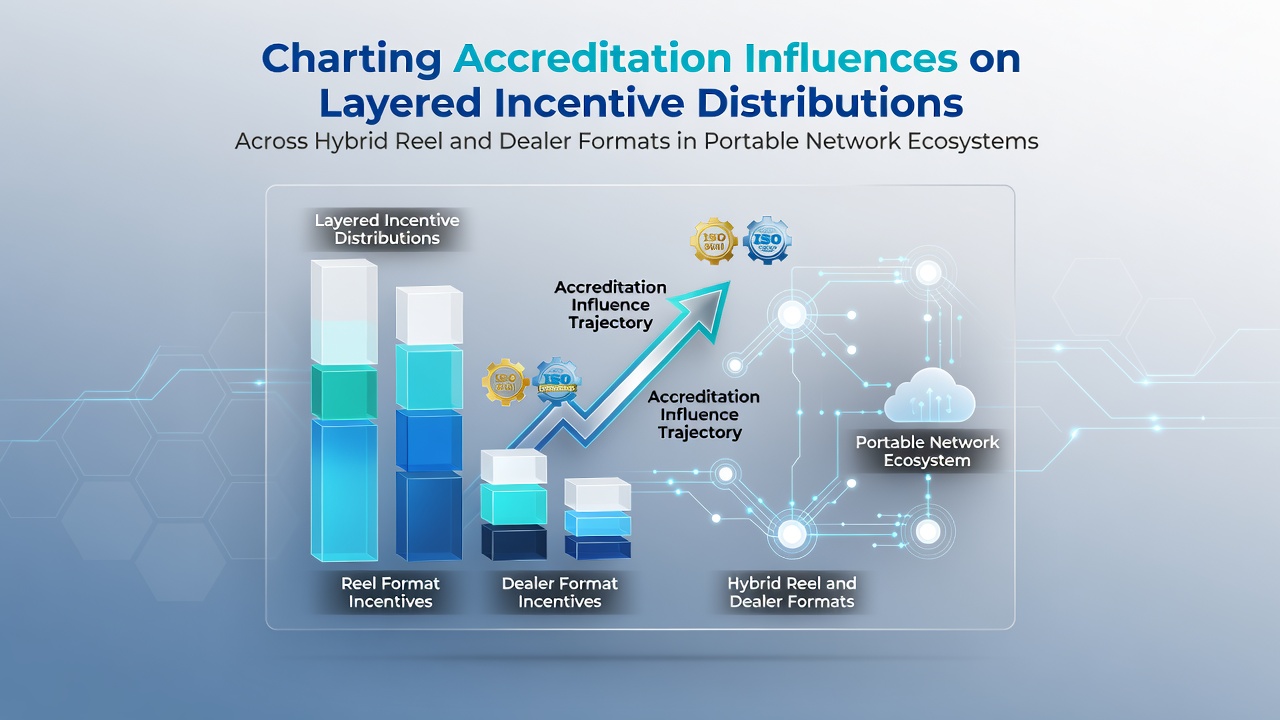
Charting accreditation influences on layered incentive distributions across hybrid reel and dealer formats in portable network ecosystems
Accreditation bodies establish technical and operational benchmarks that shape how operators allocate rewards across mobile platforms combining automated reel games with interactive dealer tables. These standards cover random number generator certification, payout verification protocols, and cross-device security requirements while portable networks expand access through apps and cloud-based systems. Data from regulatory filings indicate that accredited operators adjust bonus tiers and loyalty multipliers to align with documented compliance levels rather than arbitrary marketing targets.
Accreditation frameworks and their reach
Portable network ecosystems rely on certifications issued by recognized testing laboratories and regional authorities to validate game integrity before deployment. Researchers tracking submissions to bodies such as the Nevada Gaming Control Board note that hybrid titles undergo separate audits for reel mechanics and live-streamed dealer sessions, creating distinct compliance checkpoints that influence subsequent reward calculations. In June 2026 several operators reported revised incentive schedules following updates to mobile interoperability standards issued earlier that year.
Layered distributions typically begin with base-level credits for reel spins, then escalate through achievement milestones tied to dealer table participation. Accreditation requirements dictate minimum transparency thresholds for these escalations, which operators satisfy by publishing audit summaries that detail how points convert into cashable bonuses or free rounds. Observers at industry conferences have documented cases where platforms delayed loyalty tier releases until final certification letters arrived, illustrating the direct sequencing between approval and distribution activation.
Hybrid formats and incentive mechanics
Reel formats generate high-volume, automated play sessions that feed initial data points into loyalty algorithms, whereas dealer formats introduce session-length variables and human-interaction metrics that affect multiplier eligibility. Studies compiled by the American Gaming Association show accredited operators maintain separate tracking ledgers for each format to ensure reward allocations remain traceable during regulatory reviews. This separation prevents cross-contamination of statistics that could otherwise distort payout percentage reporting required under portable network licensing terms.
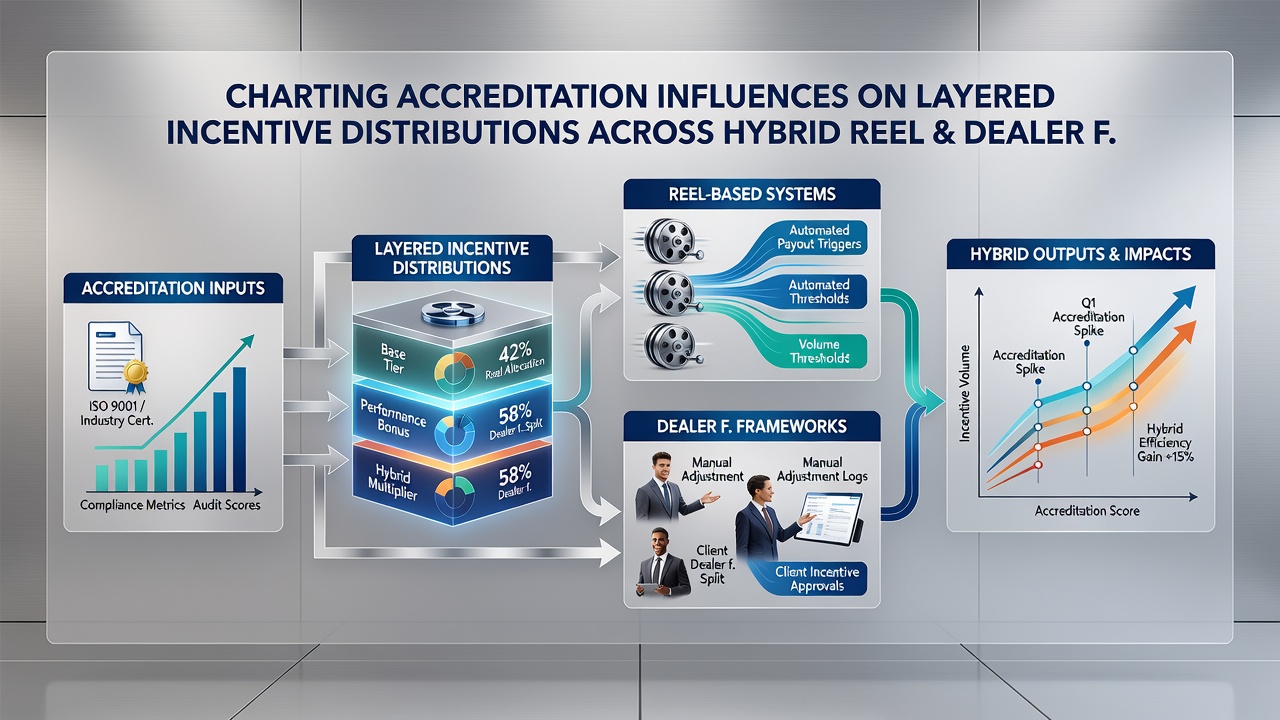
One analysis of platform logs revealed that players progressing through accredited hybrid environments received staged incentives calibrated to cumulative handle across both formats. Reel sessions contributed volume-based credits while dealer tables supplied time-weighted bonuses; accreditation audits verified that conversion rates between these two streams stayed within documented variance bands. Such calibration reduces discrepancies flagged during compliance spot checks conducted by authorities in multiple jurisdictions.
Distribution patterns across portable networks
Portable ecosystems transmit game results and player actions through encrypted channels that accreditation protocols monitor for latency and data integrity. These same channels carry incentive triggers, so any certification-mandated encryption upgrade directly affects how quickly layered rewards post to user accounts. Figures released in regulatory summaries indicate average posting times for hybrid bonuses shortened after operators adopted updated mobile security modules in early 2026.
Those who monitor cross-device integrations report that accreditation influences extend to geo-fencing rules and device fingerprinting standards, both of which determine whether a player qualifies for certain incentive layers. Hybrid formats require synchronized verification across reel and dealer modules, and platforms that fail interim audits often freeze associated reward distributions until corrective measures receive clearance. This procedural linkage keeps distribution schedules aligned with documented compliance status rather than promotional calendars alone.
Regional variations in application
European operators subject to Malta Gaming Authority guidelines apply accreditation criteria that emphasize responsible gaming markers within incentive structures, requiring visible caps on bonus accumulation derived from dealer table activity. North American platforms operating under state compacts follow different weighting systems that prioritize reel volume in tier calculations while still subjecting live dealer sessions to identical RNG-adjacent testing regimes. Comparative data sets compiled by academic research groups highlight these weighting differences without asserting superiority of any single model.
Industry reports further note that accreditation renewals scheduled for mid-2026 prompted several portable network providers to recalibrate loyalty multipliers ahead of renewal deadlines. The adjustments preserved existing player progress while ensuring future distributions satisfied revised technical appendices attached to the accreditation certificates. Such preemptive alignment minimizes service interruptions when new standards take effect.
Conclusion
Accreditation processes establish verifiable boundaries within which layered incentives operate across hybrid reel and dealer formats in portable environments. Regulatory filings, audit summaries, and platform performance metrics demonstrate consistent patterns of adjustment that tie reward activation to documented compliance milestones. Continued expansion of mobile ecosystems will likely sustain these linkages as authorities refine technical requirements and operators adapt distribution logic accordingly.