Certification Pathways Shaping Incentive Layers Across Hybrid Mobile Gaming Networks
Written by Zara Flores · Jun 20, 2026
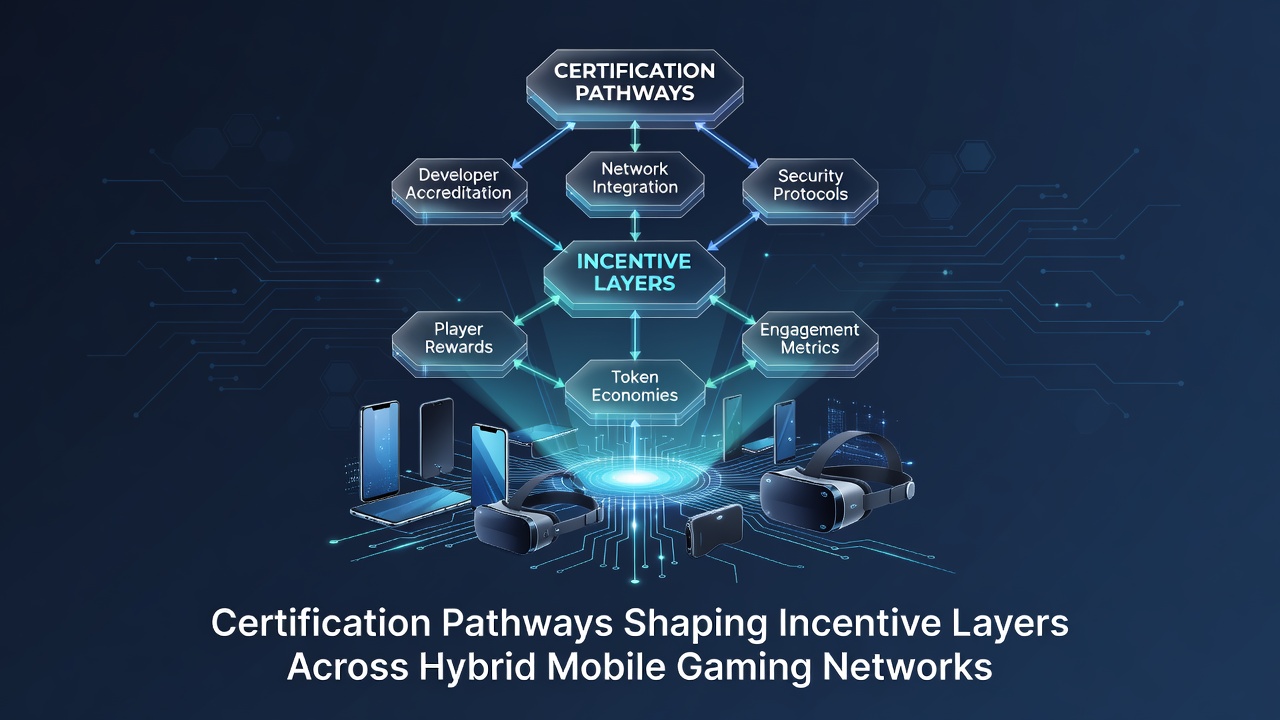
Certification Pathways Shaping Incentive Layers Across Hybrid Mobile Gaming Networks
Certification pathways establish standardized frameworks that influence how incentive layers operate within hybrid mobile gaming networks, where developers combine single-player mechanics with real-time multiplayer elements across portable devices. Regulatory bodies and industry organizations track these pathways to ensure compliance while supporting user engagement models that blend progression systems with reward distributions.
Core Certification Standards in Mobile Gaming
Organizations such as teh Interactive Games and Service Association along with regional authorities in Australia and Canada evaluate certification processes that address data security, fair play algorithms, and integration of cross-platform features. These evaluations connect directly to incentive structures because certified networks must demonstrate transparent reward allocation methods that prevent manipulation across hybrid environments featuring both automated and live interaction formats. Data collected through 2025 audits shows certification timelines averaging 14 to 18 months for networks incorporating multiple device types and live social components.
Experts observe that certification requirements often mandate specific logging protocols for incentive triggers, including time-based rewards and achievement milestones. Networks seeking approval must submit detailed documentation on how these layers interact with user accounts synchronized across mobile and tablet interfaces, which creates traceable audit trails used by oversight committees.
Incentive Layer Configurations Under Certified Systems
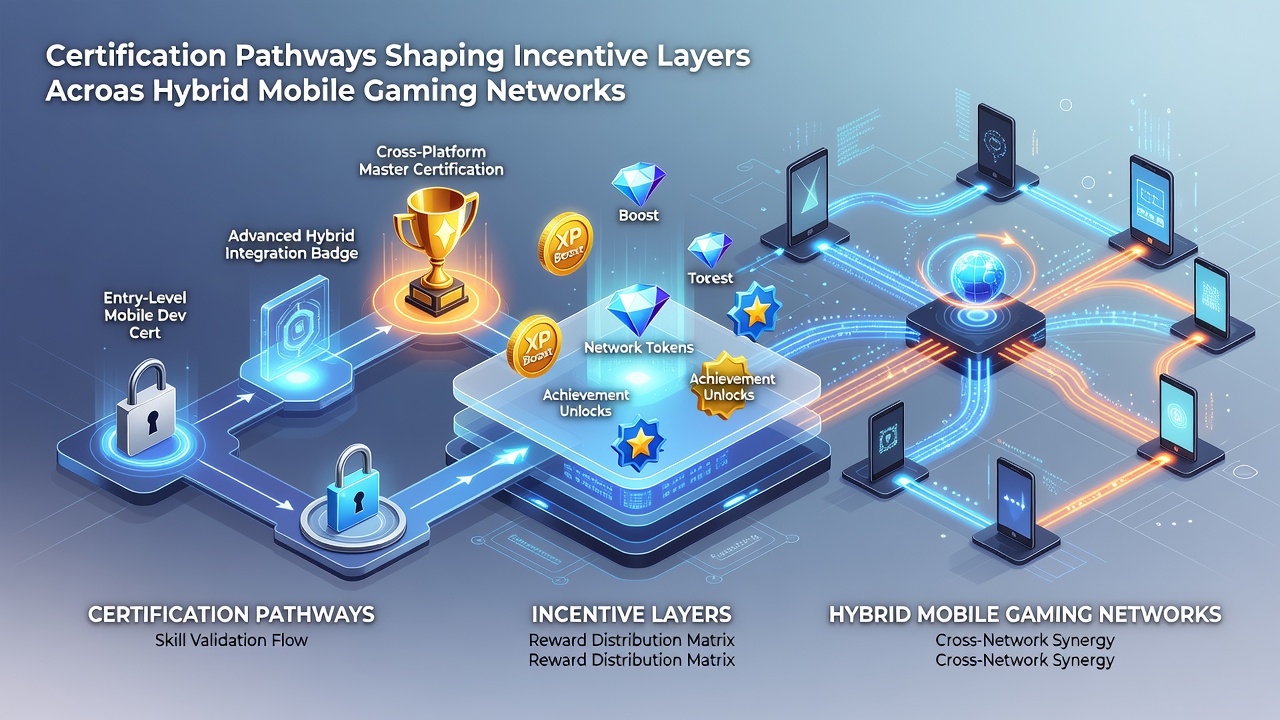
Hybrid mobile gaming networks typically organize incentives into tiered layers that include daily login bonuses, progression multipliers, and community event rewards. Certification pathways require these layers to align with technical specifications for randomness and payout verification, particularly when networks integrate elements from both casual puzzle formats and competitive battle systems. Studies conducted by research institutions in the European Union indicate that certified platforms report higher retention rates when incentive distributions follow documented mathematical models reviewed during the approval process.
June 2026 marks an anticipated review cycle for several certification bodies handling updates to mobile network standards, where new guidelines on artificial intelligence-assisted reward personalization may take effect. Networks preparing for this period adjust their incentive architectures to accommodate enhanced scrutiny on personalization algorithms while maintaining compatibility with existing hybrid gameplay loops.
Regional Variations in Certification Influence
Authorities in North America and Asia apply distinct certification criteria that shape how incentives function within cross-border gaming networks. Canadian provincial regulators emphasize consumer protection metrics that affect bonus frequency caps, while Singaporean frameworks focus on technical interoperability standards between mobile carriers and game servers. These differences lead developers to create modular incentive systems that adapt to multiple certification requirements without altering core gameplay mechanics.
One documented case involves a network that restructured its loyalty progression after receiving feedback from certification reviewers regarding reward transparency. Adjustments included clearer display of probability rates for rare item drops and synchronized tracking across devices, resulting in streamlined approval for subsequent updates.
Technical Integration of Certification and Rewards
Developers implement application programming interfaces that link certified verification modules directly to incentive engines, ensuring real-time validation of reward claims. This integration supports hybrid features such as live tournament brackets combined with persistent mobile progress tracking, where certification documentation specifies how server-side calculations prevent duplication or fraud. Industry reports from 2025 highlight that networks with integrated certification checkpoints experience fewer compliance interventions compared to those handling verifications separately.
Additional pathways involve third-party testing laboratories that assess both security protocols and incentive fairness using standardized test suites. These laboratories issue reports referenced by regulatory panels during final approval stages, creating documented connections between technical compliance and operational reward mechanics.
Future Developments and Network Adaptations
Emerging certification frameworks incorporate requirements for environmental impact assessments related to server infrastructure supporting large-scale hybrid networks. Incentive layers may soon include optional sustainability rewards tied to verified green energy usage, pending formal adoption in upcoming review cycles. Observers note that such expansions would extend existing certification pathways into new domains while preserving core structures for reward distribution and user verification.
Conclusion
Certification pathways continue to define operational boundaries for incentive layers in hybrid mobile gaming networks through documented standards, regional adaptations, and technical integrations. As review cycles approach in June 2026, networks maintain alignment with evolving specifications that govern reward transparency and cross-device functionality across global markets.