Analyzing Integration Patterns of Loyalty Incentives with Real-Time Dealer Interactions in New Mobile Gaming Setups
Written by Finley Schulz · Jul 11, 2026
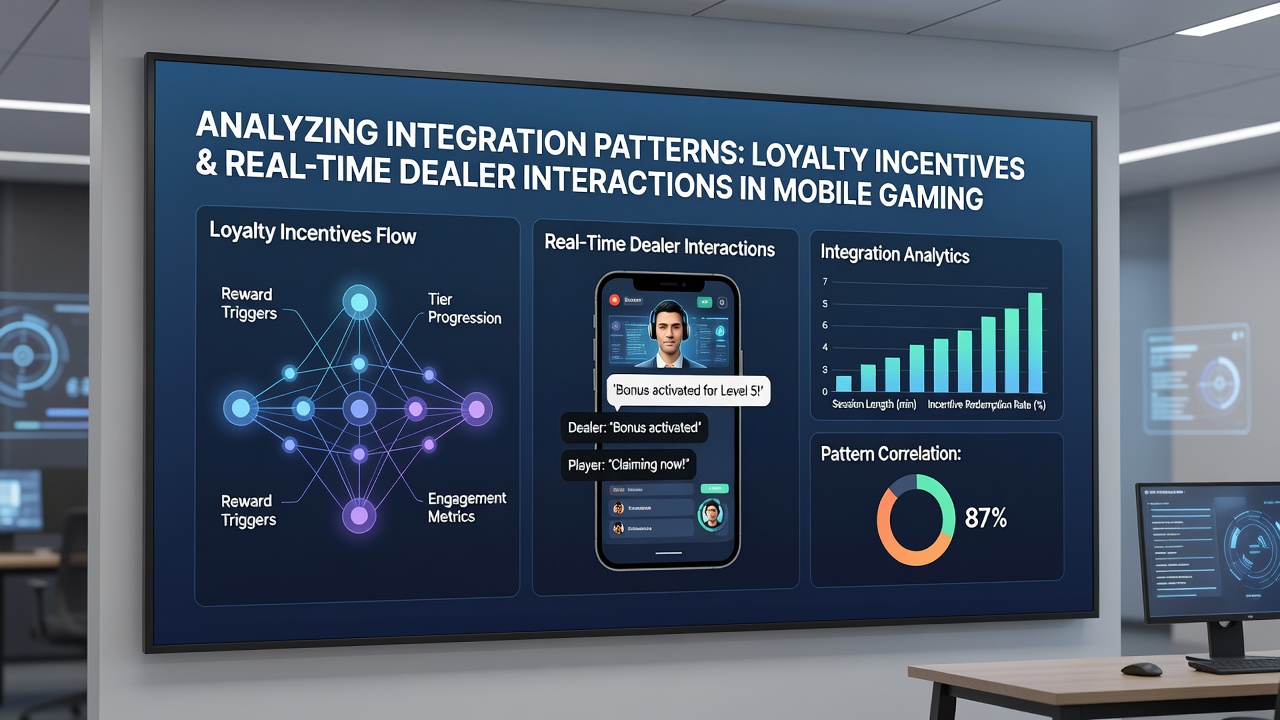
Analyzing Integration Patterns of Loyalty Incentives with Real-Time Dealer Interactions in New Mobile Gaming Setups
Integration patterns between loyalty incentives and real-time dealer interactions have gained attention in mobile gaming environments as developers refine how reward systems connect with live participation features. These setups combine automated tracking of player activity with direct dealer engagement across portable devices, creating layered experiences that link progress markers to ongoing table sessions. Data from industry reports indicate that such combinations appear in multiple new platform launches throughout 2025, with projections extending into mid-2026 when several regional operators plan expanded digital offerings.
Core Components of Loyalty Structures
Loyalty incentives in these mobile frameworks typically operate through tiered point systems that accumulate based on session duration, wager volume, and interaction frequency with dealer-led games. Researchers at various academic institutions have documented how these points convert into benefits such as bonus credits or priority access, while real-time elements allow dealers to acknowledge achievements during active rounds. Observers note that this linkage relies on synchronized backend databases which update player profiles instantaneously as table interactions unfold, reducing delays between action and reward acknowledgment.
Studies from European research groups reveal consistent patterns where loyalty tiers influence dealer interaction depth, for instance granting higher-level participants customized game variants or extended play windows. Such arrangements function across hybrid reel and table formats, with mobile interfaces displaying live progress indicators alongside video feeds of dealer movements. The patterns emerge most clearly in environments that support both automated slot sequences and staffed dealer tables within single application sessions.
Real-Time Dealer Dynamics and Data Flow
Real-time dealer interactions introduce variables that affect how loyalty data processes during mobile sessions. Dealers receive prompts through specialized consoles that highlight participant milestones, enabling verbal recognition or adjusted game pacing tailored to individual profiles. According to findings published by the Australian Institute of Gambling Research, these prompts correlate with measurable retention lifts when integrated directly into the live stream rather than handled as separate notifications.
Technical architectures supporting these flows often employ API connections between loyalty engines and dealer management software, allowing information to travel bidirectionally without interrupting gameplay. Mobile networks facilitate this exchange through low-latency protocols that maintain synchronization even during variable signal conditions. Patterns observed across multiple deployments show that successful implementations prioritize edge computing nodes near regional servers to handle peak loads during evening hours in different time zones.
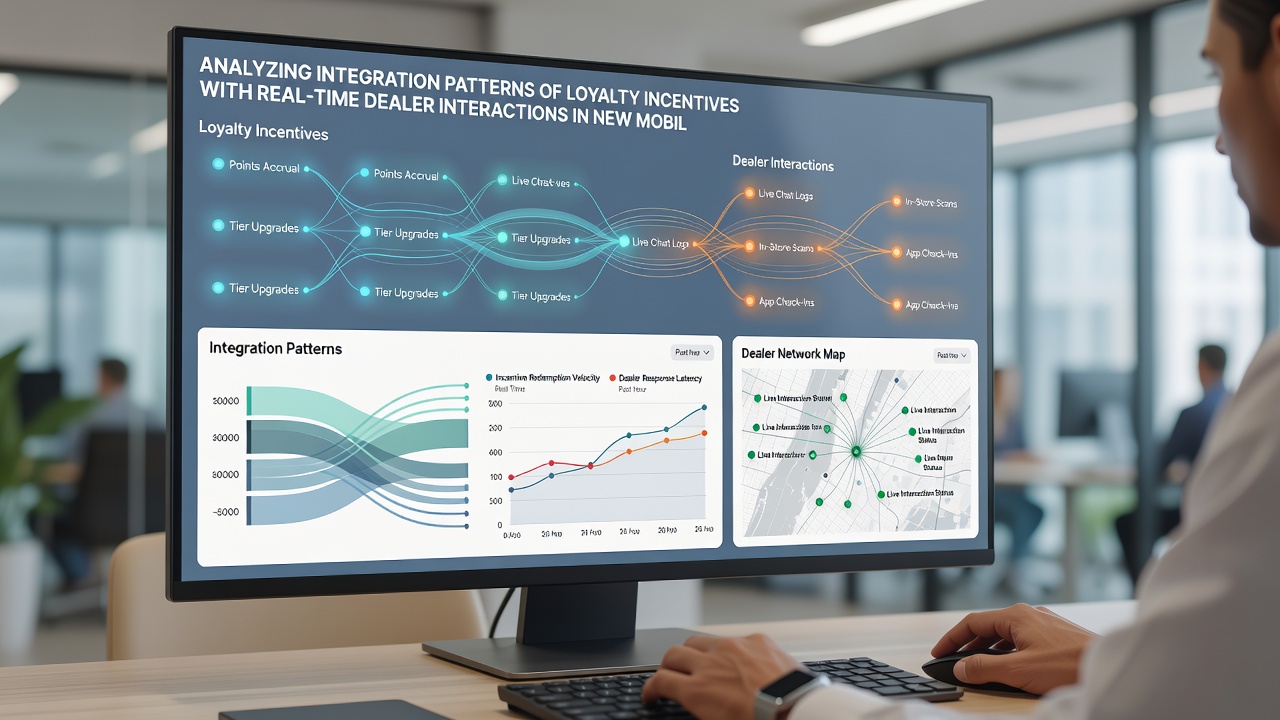
Observed Integration Patterns Across Platforms
Analyses of recent mobile gaming rollouts identify several recurring configurations. One pattern routes loyalty updates through dealer-triggered events, where specific table outcomes directly feed point calculations visible on player devices. Another routes incentive displays into the dealer interface so that staff can reference progress verbally during rounds, creating a unified feedback loop. Data collected by North American gaming associations indicates these patterns produce distinct engagement curves depending on whether rewards trigger mid-session or accumulate for post-game redemption.
Cross-device continuity forms another notable element, as players switch between phones and tablets while maintaining dealer session state and accumulated incentives. Platform logs demonstrate that seamless handoffs depend on cloud-stored session tokens that preserve both loyalty balances and active table positions. Patterns become evident when comparing systems that preload dealer interaction data against those relying on on-demand fetches during transitions.
Regional Variations and Timing Considerations
Geographic differences appear in how these integrations roll out. Operators in Asia-Pacific markets have emphasized dealer customization options tied to loyalty milestones ahead of anticipated platform expansions scheduled for July 2026, whereas North American deployments focus more on regulatory-compliant data partitioning between incentive tracking and live video streams. Figures released through Canadian provincial oversight bodies show higher adoption rates for hybrid models that blend automated loyalty accrual with moderated dealer interventions.
Security protocols also shape these patterns, requiring encrypted channels for any data shared between loyalty databases and dealer terminals. Compliance frameworks in multiple jurisdictions mandate audit trails that log every incentive adjustment occurring during live interactions, ensuring traceability without compromising session fluidity.
Conclusion
Patterns in loyalty incentive integration with real-time dealer features continue to evolve as mobile gaming infrastructures advance. Evidence gathered across deployments highlights the role of synchronized data pathways and interface design in supporting these combinations, with ongoing refinements expected through 2026. External analyses from sources such as the European Gaming and Betting Association and university-led studies provide further context on how these technical arrangements function within broader platform ecosystems.